Turn AI Email Automation Into a Human Advantage
AI email automation makes it easy to send more messages in less time. The hard part is keeping those emails feeling human, thoughtful, and worth reading. When pipeline pressure climbs in early Q2 and inboxes fill up fast, the temptation is to crank up volume and hope something sticks.
That usually backfires. Generic AI sequences blend together, reply rates drop, and spam folders get full. Buyers can feel when they are stuck in a machine. The good news is that the same AI tools can actually make your outreach more personal, not less, when you pair them with smart data, timing, and real human judgment.
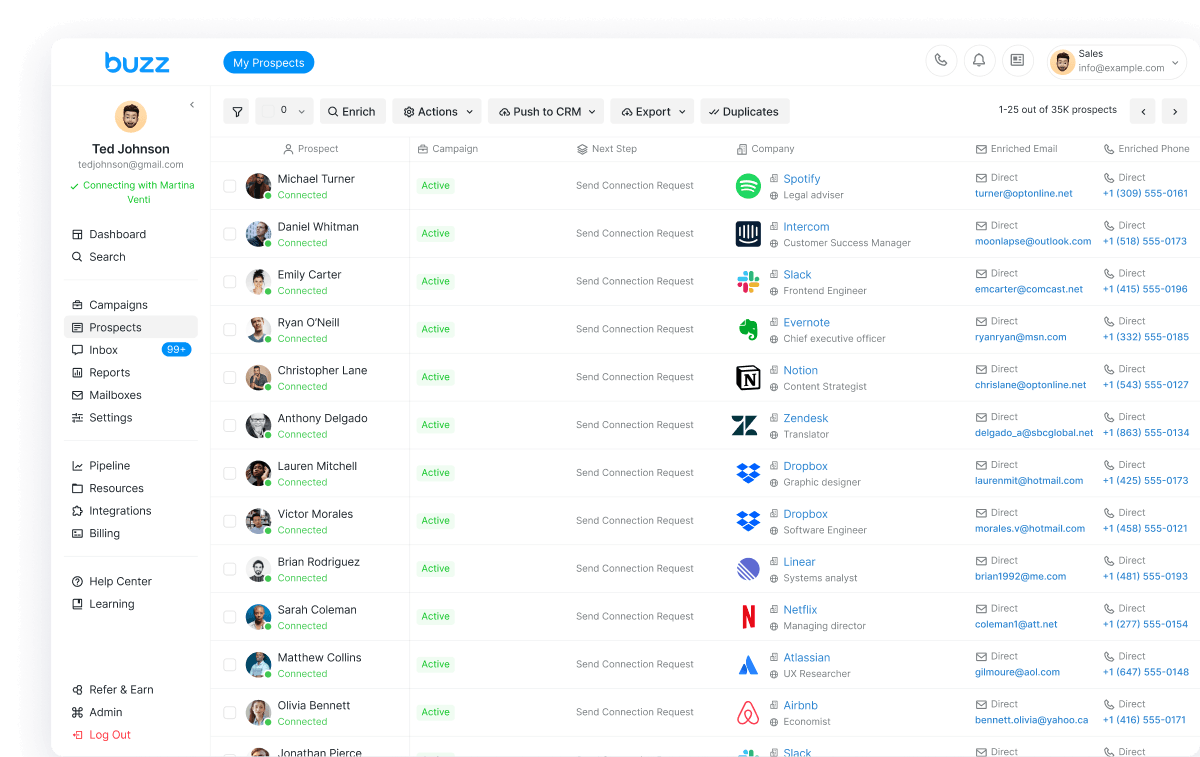
At Buzz AI, we built our sales engagement platform to pull email, social, phone, and video into one workspace so AI supports real connection instead of replacing it. In this article, we will walk through how to unlock AI email automation in a way that feels personal, respects buyers, and helps your team create more real conversations this spring and beyond.
Why Human-Centric Automation Wins
Buyers today expect relevance from the very first touch. They are used to fast answers, smart feeds, and tailor-made content. So when a message looks like it could have gone to anyone, they spot it quickly and either delete it or mark it as spam.
Over-automated outreach does more harm than just low replies. It can chip away at trust and make your brand look careless. On the other hand, thoughtful, semi-automated emails help you:
- Build credibility by showing you did some homework
- Keep your sending domain healthy and out of spam folders
- Give sellers more time for real conversations instead of manual copying and pasting
The goal now is not to send more emails; it is to send better emails. That means every touch has a clear reason based on role, industry, timing, and likely pain points. A smart hybrid model works best: let AI handle research, draft options, and send times, then let reps bring empathy, judgment, and final edits.
Spring planning cycles make this even more important. As budgets reset and projects kick off, decision makers see a wave of outreach. Human-centered automation is what cuts through the noise.
Building a Foundation for Smart AI Email Automation
Strong AI email automation starts long before you write a subject line. It starts with data. If your records are messy or thin, even the best AI will sound generic.
You want clean, enriched information on each prospect, like:
- Correct contact details and role
- Firmographics such as company size and industry
- Buying signals like tech stack, growth stage, and hiring trends
When you run email, social, phone, and video in a single platform like Buzz AI, your AI has more context to work with. It can see which channels someone has engaged with, which content they clicked, and how often they reply. That makes each new message smarter and more focused.
Timing matters as much as content. Good triggers for AI automation include:
- Email opens or multiple link clicks
- Visits to key site pages or product content
- Seasonal cues like Q2 planning, renewal windows, or big events
Guardrails keep quality from slipping. Set clear rules for tone, length, and depth of personalization so AI-generated drafts match your brand voice. A simple starting workflow could look like this:
- Identify your ideal prospects
- Enrich them with Buzz AI so records are complete
- Use AI to auto-generate tailored drafts for each segment
- Require a fast human review before anything leaves the outbox
Writing AI-Assisted Emails That Still Feel Personal
Most bad automation starts with one big generic template. A better way is to start with personas. Build simple messaging frameworks around your key buyer types, then let AI adapt from there.
Think about personalization in three layers:
- Role and industry context, such as what a VP of Sales in B2B SaaS cares about
- Trigger-based relevance like a new launch, a new role, or clear growth signs
- Light personal touches tied to content they viewed or topics they reacted to
Inside Buzz AI, a rep might prompt the system with something like, “First-touch email to a VP of Sales in B2B SaaS focused on shortening sales cycles.” The AI then drafts a message that addresses that goal directly, and the rep tunes it.
Before sending, a quick human checklist helps keep things real:
- Empathy: Does this show we get their world and pressures?
- Clarity: Is it easy to read on a phone?
- Specificity: Is there at least one detail that proves this is not a blast?
- One clear CTA: Is there a simple next step, not three competing asks?
Tone matters a lot. Short, plain, conversational language beats hype-filled marketing copy. The goal is to sound like a thoughtful person who did their homework, not a script.
Scaling Sequences Without Sounding Like a Robot
To scale without losing the human feel, build modular sequences. Think of each email as a set of building blocks that AI can mix and match:
- Openings that match role and industry
- Value props aligned to key pains or goals
- Proof points and stories that feel relevant
- CTAs that fit each stage of interest
Sales are not only in the inbox. A multichannel plan works best. Buzz AI can help keep email in sync with quick calls and short video messages so prospects experience one joined-up conversation instead of random, spammy hits.
Behavior-based branching is another big win. When someone shows interest, AI can:
- Send a more direct invite to talk
- Switch the CTA from “resource” to “quick call”
If they stay cold, it can:
- Offer more value-first content
- Slow the pace to avoid inbox fatigue
For cadence in Q2, simple beats complex. Set a steady rhythm, add in other channels after a few touches, and give people space to breathe between messages. Then let AI run A/B tests on subject lines, intros, and CTAs, and learn which small tweaks drive more genuine replies.
Protecting Deliverability While Using AI at Scale
All of this only works if your emails actually land in the inbox. Careless AI use can cause big deliverability problems, especially when teams blast large lists with near-identical messages.
Smart teams protect their sender reputation by:
- Validating and enriching lists regularly
- Pruning contacts that have not engaged in a long time
- Segmenting by fit and intent instead of emailing everyone the same thing
Natural variability is your friend. Small changes in subject lines, hooks, and phrasing, all supported by AI, help messages feel fresh and keep spam filters happy.
You also want live feedback. Keep an eye on opens, bounces, spam complaints, and reply patterns. Automated alerts can pause or adjust sequences when something looks off before real damage happens.
Last, respect matters. Honor unsubscribe requests quickly, follow regional rules, and set quiet hours so messages do not land at odd times. AI can enforce these rules in the background so your team can stay focused on building real relationships.
Human-first AI outreach is not about more noise. It is about using smart tools, clean data, and simple habits to make every email feel like it was written for one real person, at the right time, for a good reason.
Transform Your Email Workflow With Smart Automation Today
If you are ready to stop spending hours on repetitive inbox tasks, our AI email automation can help you streamline outreach and follow-ups in minutes. At Buzz AI, we design tools that plug into your existing workflow so you can focus on conversations that actually move your business forward. Our team is here to guide you through setup, best practices, and optimization. Have questions about getting started or need a custom solution, contact us today.