Sales teams that only send cold emails are leaving a lot of pipeline on the table. Buyers are scattered across channels, switching between inboxes, feeds, calls, and video all day, and they expect you to meet them where they already are. A sales engagement platform helps you do that from one place, without drowning your reps in extra tools and tabs.
In this article, we will walk through why email-only outreach is holding you back, what a modern sales engagement platform should actually do, how to design multichannel plays your reps will follow, where AI fits in, and how to use data to keep improving as you move through spring planning.
Why Email-Only Outreach Is Holding You Back
Cold email will probably always matter, but relying on it alone is like trying to win a game with one play. Buyers are on social, in their inbox, in meetings, and on video all in the same hour. Their attention is short and their filters are sharp.
Email-only outreach creates some big roadblocks:
- Crowded inboxes that mute your message
- Deliverability problems that send you to spam
- Fewer natural ways to stand out or build trust
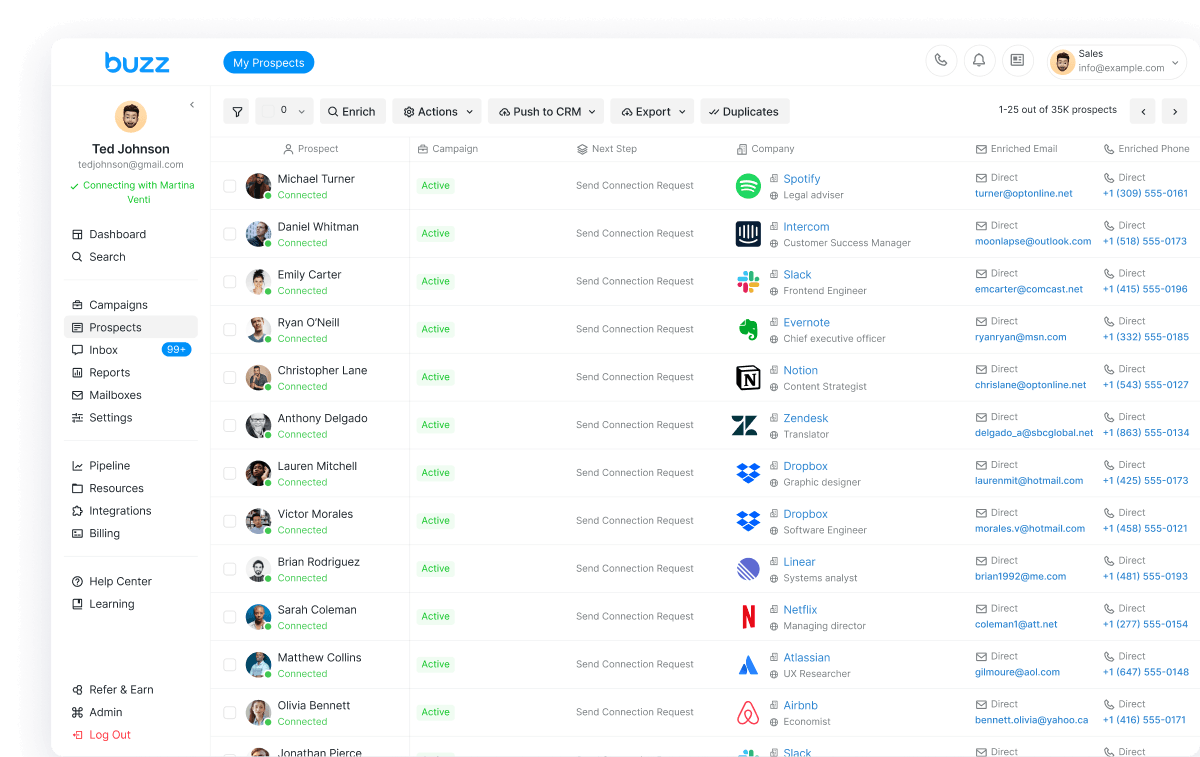
A modern sales engagement platform solves this by giving you a single workspace for email, social, phone, and video. Reps do not have to jump between tools or guess what to do next. As teams review their go-to-market plans this spring, this is the perfect time to step up from a simple email tool to a full engagement strategy that aligns with real buyer behavior.
What a Modern Sales Engagement Platform Should Actually Do
A true sales engagement platform is not just a faster email blaster. It should give your team everything they need to find, understand, and engage prospects in one simple hub.
Key pieces include:
- Prospect data: who you should talk to
- Data enrichment: filling in missing details on people and accounts
- Outreach automation: structured sequences across channels
- Sales intelligence: clear feedback on what is working
Must-have capabilities go beyond a single inbox:
- Multichannel outreach with email, social actions, phone tasks, and video steps
- Smart enrichment for titles, industry, company size, and accurate contact info
- Activity and outcome tracking like opens, clicks, replies, calls, and meetings
When this all sits in one platform, you get fewer tools, fewer sync issues, faster onboarding for new reps, and a clear view across the funnel. Leaders do not need to be technical. They just need a system that plugs into the CRM, is simple to learn, and lets them see the story behind the numbers.
Designing a Multichannel Playbook Your Reps Will Actually Use
Many teams still run “random acts of outreach,” with each rep doing their own thing. A sales engagement platform lets you turn that into simple, shared plays that mix channels in a repeatable way.
One easy starting framework:
- Day 1, 3: Send a personalized email and add a soft touch on social
- Day 4, 7: Follow up with a clear value hook and one short phone call attempt
- Day 8, 14: Send a quick video or voice message, then a polite breakup email
You can adapt the mix by role and seniority:
- Executives: tight emails and focused calls usually work best
- Mid-level managers: more open to social touches and short videos
- Operators or users: respond well to practical content and clear “how this helps” language
Adoption is all about the path of least resistance. When steps, templates, and daily tasks live inside one sales engagement platform, reps are more likely to follow the plan, because it actually saves them time instead of adding extra work.
Using AI to Scale Personalization Without Losing the Human Touch
AI can feel abstract, but for sales, it comes down to a simple idea: less blank page time, more real conversations. AI assistants inside a sales engagement platform support your team instead of replacing them.
Here is how AI can help:
- Draft first-pass emails and subject lines that you can quickly review
- Suggest three or four personalized openers based on a prospect’s role and company news
- Summarize key research on an account so reps do not spend all morning hunting for context
- Score which prospects should get a call today based on recent engagement
AI lead generation and enrichment can also surface ideal prospects based on firmographic and behavioral signals. That way, reps spend less time digging for the right people and more time actually selling.
The guardrails matter. AI should never send messages on its own. Reps still edit, adjust tone, and hit send so every touch feels human, on-brand, and aligned with your values.
Fixing Email Deliverability Before You Step on the Gas
If your emails are landing in spam, the rest of your sales engagement strategy falls apart. Before you scale up, you need a healthy foundation.
Non-technical best practices leaders can drive:
- Warm up sending domains slowly, especially when you start new campaigns
- Keep your lists clean using ongoing enrichment and validation
- Watch bounce rates and spam complaints right inside your platform
Multichannel outreach actually protects deliverability, since you are spreading touches across email, phone, and social instead of hammering one inbox again and again. As teams ramp up outreach for late spring and summer, April is a smart time to fix sender issues so they do not drag down results when you need them most.
Turning Data Into a Continuous Revenue Engine
When all your engagement data lives in one place, it stops being random noise and starts being a guide. A sales engagement platform should give leaders a clear, simple way to see what is working across email, social, phone, and video.
You can use this data to:
- See which sequences, channels, and messages turn into real pipeline
- Spot top performers’ patterns and build them into team-wide playbooks
- Forecast more confidently using real activity and conversion trends
You do not need to be a data scientist:
- Straightforward dashboards, not endless filters
- A few clear metrics like reply rate, meeting rate, and opportunity rate
- Easy ways to compare one play against another
Regular “playbook audits” once a month or once a quarter help you remove low performers and double down on what works, especially as you approach mid-year reviews.
Over the next 30 days, you can move from an email tool to a real engagement strategy by auditing your channels, picking one primary platform, building a few simple multichannel sequences, and testing with small groups of prospects. At Buzz AI, we built our platform to give sales and agency teams one AI-powered workspace to identify, enrich, and engage the right prospects across email, social, phone, and video without adding more software bloat or confusion.
Boost Revenue With a Smarter Sales Engagement Workflow
If you are ready to turn more conversations into customers, our sales engagement platform gives your team the AI support they need to move faster and sell smarter. At Buzz AI, we help you centralize outreach, follow-ups, and insights so every rep knows exactly what to do next. Talk with our team to see how we can tailor a solution to your pipeline, or contact us to get started today.