Measuring AI Lead Generation Beyond Reply Rates
Reply rates feel simple. You launch a campaign, watch the inbox, and count how many people write back. If the number looks high, the campaign must be working, right? Not always. When we rely on reply rate alone, we can fool ourselves into thinking we have healthy pipeline when we really just have a busy inbox.
Many teams using AI lead generation tools still measure success this way. The problem is that replies include polite brush-offs, spam complaints, and random curiosity. Those do not help your sales team hit quota. What actually matters is how many real conversations, meetings, and deals come out of those replies. That shift in thinking is what this guide is all about.
Why Reply Rate Alone Is Misleading
Reply rate is one of those easy numbers that looks great on a slide. It is also shallow. A campaign can spike replies because people are annoyed, confused, or simply asking to be removed from a list. On paper that looks like engagement, but your sales team just lost time.
Here is what reply rate often hides:
- A big pool of low-fit prospects
- Weak subject lines that bait curiosity but do not match the offer
- Deliverability problems, like going to spam, that shrink your real audience
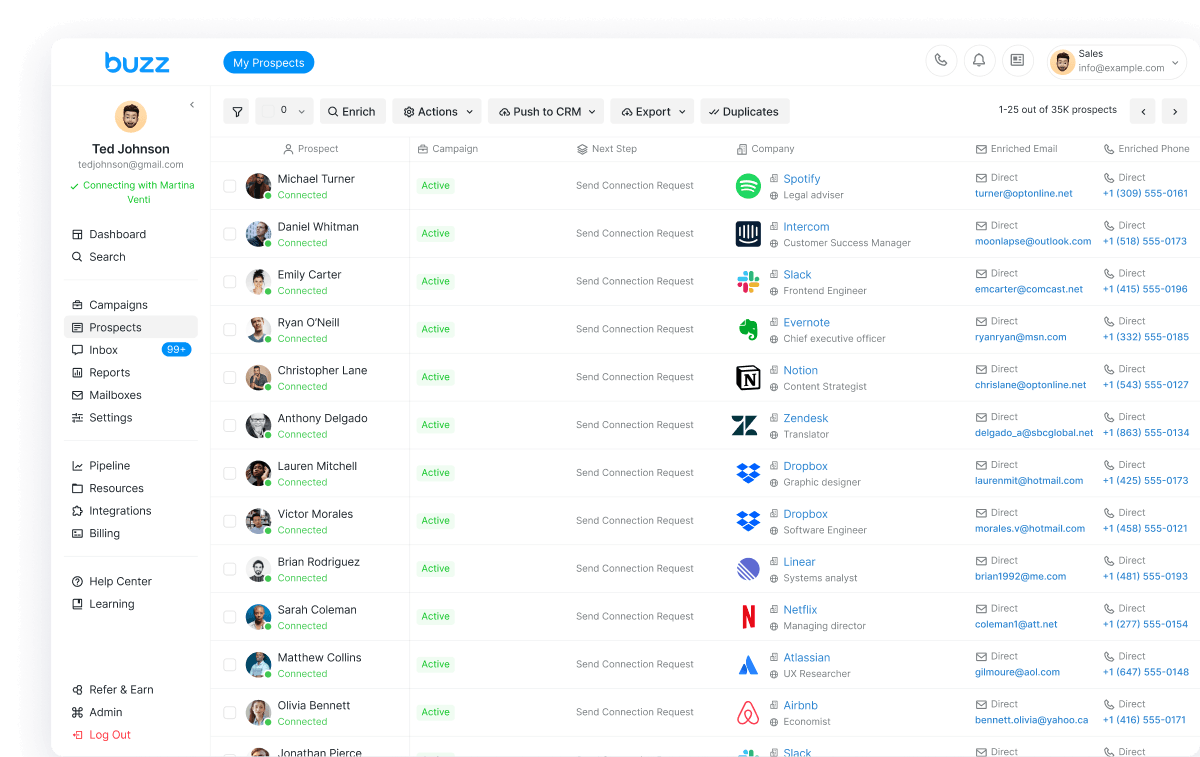
So we get stuck chasing bigger and bigger reply numbers instead of better pipeline. Modern AI lead generation tools can do far more than send more messages. They can help us focus on what leads to revenue, like meetings set, opportunities created, and deals influenced. That is where we want to measure success.
The Real Job of AI Lead Generation Tools
AI is not here just to write more emails faster. The real job of AI lead generation tools is to help your team:
- Find the right accounts and contacts
- Enrich records with fresh data and intent signals
- Orchestrate email, social, phone, and even video outreach from one place
When targeting gets smarter, everything down the funnel gets better. Close rates improve because reps are talking to people who actually need what you sell. Sales cycles feel shorter because buyers come in warmer and better informed. Deal sizes often grow because you reach the right decision makers inside the right companies.
Think about two simple campaigns:
- Campaign A: Huge list, broad message, high reply rate, but most replies are not a fit or are just quick no-thanks messages.
- Campaign B: Smaller, high-fit list, personalized outreach based on intent, fewer total replies but a higher share of real conversations that become meetings.
Campaign B wins every time, even if the reply number looks smaller at first glance.
Metrics That Matter More Than Replies
To move beyond vanity metrics, we look at the whole funnel. Early in a campaign, some helpful checks are:
- Delivered vs. sent messages, which shows email deliverability health
- Positive response rate vs total reply rate, so we separate yes and maybe from no
- Meetings booked per 100 accounts contacted, not per 100 emails sent
As prospects move forward, we focus on quality outcomes:
- SQLs or qualified opportunities created per campaign
- Pipeline value created per month per rep
- Revenue influenced by AI-driven sequences across a period of time
These numbers tell a story leadership can trust. CEOs and CROs do not just see busy activity. They see how AI outreach turns into forecasts, where to double down, and where to trim the tech stack that is not pulling its weight.
How AI Changes Targeting and Data Health
AI changes the game not by adding noise, but by tightening focus. Instead of blasting a giant list, AI can scan firmographic, technographic, and behavioral data to highlight the accounts that look most like your best customers.
Here is a simple flow many teams follow:
- Start with a raw list of companies and contacts
- Use AI to enrich missing data, like titles, industry, company size, and tech stack
- Layer intent signals, like content engagement or buying triggers
- Rank accounts so your most likely buyers get the most thoughtful outreach first
That kind of targeting trims wasted effort and raises useful metrics like positive response rate and meetings booked per 100 contacts. You are no longer celebrating any reply. You are celebrating the right replies.
Data health is part of this too. AI can flag expired emails, catch role changes, and suggest cleaning old lists. Better data means more messages land in real inboxes instead of bouncing or getting ignored. Here are a few simple deliverability metrics worth watching:
- Valid email rate and bounce rate
- Spam complaint rate per campaign
- Percentage of contacts with complete, up-to-date profiles
Healthy data and domain reputation form the base of everything else. Without them, the best copy and the smartest sequence will still fall flat.
From Outreach Activity to Pipeline Efficiency
Once targeting and data are in better shape, we can talk about efficiency. Every team does some mix of email, social messaging, calls, and video. The real question is how that activity turns into pipeline.
A simple flow looks like this:
- Touches sent across channels
- Responses that show some level of interest
- Conversations that feel like real buying discussions
- Meetings booked
- Opportunities opened in the CRM
- Closed-won deals
From there, we can track clear ratios:
- Opportunities per 1,000 emails sent
- Meetings per rep hour spent on prospecting
- Cost per qualified opportunity by channel, like email vs phone vs social vs video
These ratios help during slower seasons too. In summer months, for example, vacation schedules can pull down surface metrics like reply rate. When you focus on pipeline metrics, you can see that the work you do now still seeds opportunities that will close later, even if replies come in slower.
Building a Simple AI Lead Generation Scorecard
To keep everyone aligned, it helps to roll this into a short scorecard that any leader can skim. A balanced view covers:
- Input activity: emails sent, social outreach, calls, video touches
- Quality checks: deliverability, valid emails, enriched records, spam complaints
- Conversion results: meetings held, new opportunities, pipeline created, revenue influenced
We like using a window of at least a quarter to set baselines, then comparing AI-driven campaigns to more traditional ones. That way, you see real shifts, not just weekly bumps.
When marketing, sales, and RevOps share the same scorecard, decisions get easier. You can agree on which segments and messages to scale, which to pause, and which to refine. The conversation moves from I feel like this is working to Here is what is actually moving pipeline.
At Buzz AI, we build our platform around this simple idea: AI lead generation tools should help teams stop chasing replies and start building predictable revenue. When you measure what truly matters, your AI stops being a shiny toy and starts acting like part of your core revenue engine.
Turn High-Intent Prospects Into Sales-Ready Leads Today
If you are ready to turn more of your traffic into qualified opportunities, our AI lead generation tools can help you capture, score, and nurture leads automatically. At Buzz AI, we build workflows that fit the way your team already sells so you can respond faster and close more deals. Explore what is possible, then contact us so we can walk through your goals and outline a tailored game plan together.