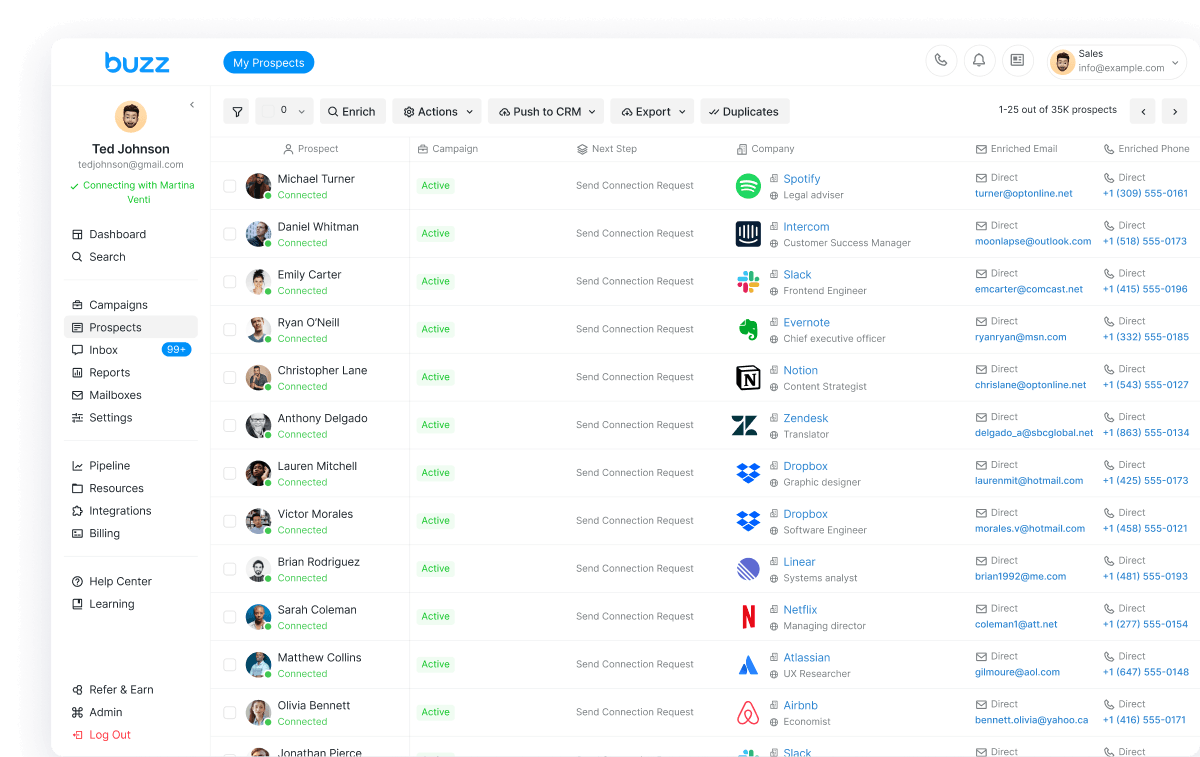
Rethinking ROI From Your Sales Engagement Platform
Sales leaders are under pressure to show clear results from every tool, especially the sales engagement platform. If we judge it only by how many meetings it books, we miss a big part of the story. More meetings can feel good, but what really matters is more good pipeline and more revenue, without burning out the team.
A modern sales engagement platform is a single workspace where reps can do email outreach, social outreach, calls, video, and follow-up, all in one place. It brings workflows, data, and content together so reps can work smarter, not just faster. As planning for the back half of the year kicks in around June, it is the perfect time to look past quick wins and build a wider view of ROI that also covers pipeline quality, rep efficiency, and customer experience.
Why “More Meetings” Misses the Bigger Picture
Many teams still judge success by one question: did we book more meetings? The problem is that meeting volume alone is a vanity metric. You can stack your calendar with low-intent meetings that never turn into real opportunities.
When reps are measured only on meeting count, a few things usually happen:
- They lean on generic scripts and send the same message to everyone
- They push over-automation, which can hurt trust with buyers
- They chase every lead, even if it is a bad fit, which drains time and energy
This can lead to no-shows, poor-fit deals, and long cycles that stall out. Activity looks high, but revenue does not keep up. Leading teams are shifting the question from “How many meetings did we book?” to “How much high-quality pipeline and revenue did our sales engagement platform help create?”
Measuring Revenue Impact Beyond Booked Meetings
To see the real impact, we have to connect the platform to core revenue metrics. The goal is to track not only activity, but the deals that grow from that activity.
A few core numbers to pair with your sales engagement platform:
- Opportunity creation rate, from each channel and sequence
- Average deal size from engagement-driven leads
- Win rate on deals that started inside your platform
You can also measure pipeline lift by checking how much pipeline is sourced or influenced by email outreach, social outreach, calls, and video sequences. When your platform is linked to your CRM, you can see which touches show up most in closed-won deals.
Simple comparison ideas:
- Compare a group of reps using structured sequences to a group that is not
- Compare quarters before and after rolling out new sequences or playbooks
- Track sales cycle length for deals started from the platform versus other sources
This tells you if your platform is speeding up deals, growing deal size, and lifting win rates, not just packing calendars.
Unlocking Rep Productivity and Team Capacity
A big part of ROI sits in how much time your reps get back. Automation is not only about sending more messages, it is about removing busywork so reps can focus on thoughtful outreach.
Look at where the platform saves time:
- Automatic data enrichment, so reps do less manual research
- Pre-built sequences, so they spend less time writing from scratch
- Guided call workflows, so they can move quickly without losing quality
From there, track capacity metrics, like:
- Number of quality touches per rep per week
- Follow-up adherence, especially on key accounts
- Time spent switching between tools and updating admin fields
A unified workspace cuts down on tab-hopping and copy-paste tasks. In many offices, especially when summer hits and schedules get messy, that time back can be the difference between rushed, sloppy outreach and calm, thoughtful conversations.
Helpful weekly dashboards for managers might include:
- Quality touches by channel per rep
- Follow-up completion rate per sequence
- Time-to-first-touch for new leads or accounts
These help you see if the platform is making the team more effective, not just louder.
Focusing on Quality Engagement Signals
Opens and replies are a start, but they do not tell you if people actually care. To see quality, we need to look deeper.
Key engagement quality metrics include:
- Positive reply rate, not just total replies
- Meeting-show rate, so you spot bad-fit outreach early
- Multi-threading depth inside accounts, like number of contacts engaged
- Stakeholder seniority reached, such as director and above
As email deliverability and targeting improve, you should see stronger numbers on these quality signals. That usually means your messages are landing in the right inboxes and speaking to the right problems.
It also helps to read patterns across channels:
- Do accounts move faster when you mix email and social outreach?
- Does adding a short video bump reply quality with certain segments?
- Are call outcomes better after a warm email touch instead of a cold call?
Instead of simply sending more volume, you can change timing, content, and channel mix based on what your own data shows.
Using Smarter Data for Better Targeting
Another hidden ROI driver is the data inside your sales engagement platform. Strong data enrichment and sales intelligence help reps spend time on the right people.
Good targeting data helps you:
- Prioritize high-fit accounts based on firmographic and behavioral signals
- Cut bounce rates by keeping contact records clean
- Improve lead-to-opportunity conversion, especially for key segments
- Reduce wasted touches on stale or low-intent leads
AI-powered lead scoring and account insights can surface accounts that are more likely to buy, so reps are not guessing. When your outreach lines up with buyer interest, your sequences feel more like help and less like noise, and pipeline gets stronger with fewer total touches.
Building an ROI Scorecard Your CFO Will Trust
To make all of this useful at the executive level, it helps to build a simple scorecard. It does not need to be fancy, just clear and repeatable.
You might track 5 to 7 metrics, such as:
- Revenue impact: sourced pipeline, influenced pipeline, win rate
- Rep productivity: quality touches per rep, time saved on admin
- Engagement quality: positive reply rate, show rate, multi-threading depth
- Data health: bounce rate, conversion rate by segment
Frontline managers can review these weekly to coach reps and refine sequences. Executives can review them monthly or quarterly to see trends and make budget calls. A short, board-ready summary might highlight where the platform is lifting pipeline, where rep capacity has grown, and where engagement quality is improving.
If the numbers are flat, that is a signal to ask if your platform is underused, misconfigured, or simply not aligned to how your team sells.
Turning Engagement Data Into Strategic Revenue Decisions
When we treat our sales engagement platform as a strategic revenue engine, the data it holds becomes fuel for bigger decisions. Engagement patterns can guide territory planning, help shape fair quotas, and show where you may need to hire or shift headcount.
A few smart next steps:
- Audit the metrics you already track, and drop ones that do not tie to revenue
- Align with marketing and RevOps on what counts as sourced and influenced pipeline
- Run a focused pilot with one team or segment using a data-driven engagement plan
At Buzz AI, we care about helping teams move past vanity metrics and into clear, trusted ROI. When sales leaders measure impact across revenue, productivity, engagement quality, and data health, they see the real value their platform brings to both pipeline and people.
Boost Revenue With Smarter Sales Engagement Today
Unlock more consistent pipeline by equipping your team with our AI-powered sales engagement platform designed to automate outreach and optimize every touchpoint. At Buzz AI, we help you personalize at scale so you can focus on the conversations that actually close deals. If you are ready to modernize your outbound motion, reach out to our team to explore the best fit for your organization or contact us to schedule a tailored walkthrough.