Turn Every Sales Question Into Predictable Pipeline
Lead scoring used to feel simple: big logo, right title, a few email opens, call it a hot lead. That worked when expectations were lower and channels were fewer. Today, when CEOs want forecasts they can trust and sales teams are stretched thin, guesswork around which leads are hot or not starts to hurt real revenue.
What actually works long term, is not more random data, but better questions. When we organize leads around clear questions like “Do they fit our ideal profile?” and “Is there real urgency?”, we stop arguing and start agreeing on next steps. In this article, we will walk through how question-based lead scoring works, how a modern sales intelligence platform makes it practical, and how your team can roll it out quickly without rebuilding your whole tech stack.
Why Traditional Lead Scoring Breaks at Scale
Most teams still lean on simple rule-based lead scoring. It usually looks like this: add points for job title, company size, and email opens, maybe subtract a few for old data. That feels neat in a slide deck, but real markets do not stay still. Products change, segments shift, and messaging moves, while the scorecard stays frozen.
Activity is also noisy. Someone can open five emails and never buy. Another account might read one long email, forward it inside their team, and then call you weeks later. Basic activity scores tend to:
- Overrate curiosity clicks
- Underrate quiet but high-intent accounts
- Reward volume over real buying signals
On top of that, signals are spread across tools. Email engagement sits in one system, calls in another, social outreach in a third, and CRM notes in a fourth. No one has time to stitch it all together by hand. The result is a scoring model that drifts out of date and a team that stops trusting the numbers.
From a CEO or revenue leader view, this shows up as:
- Unreliable pipeline forecasts
- Wide swings in rep performance
- Marketing spend that looks busy but not profitable
The core problem is simple: a static, activity-first model cannot keep up with a fast-moving go-to-market motion.
What Question-Based Lead Scoring Really Means
Question-based lead scoring starts from decisions, not data fields. Instead of asking “How many points is a director title?”, we ask “Does this company match our ideal segment?” and “Is there real buying urgency in the next few months?” Then we break those questions into clear signals a system can read.
You can group questions into three buckets:
- Fit questions: What industry are they in? How big are they? What tools do they use? Where are they based? Do their use cases match what we solve well?
- Intent questions: Are they replying to email, picking up the phone, or engaging with social outreach? Did they come inbound? What kind of content do they look at?
- Prioritization questions: Is there a clear timeline or trigger event? Any hints of budget or active evaluation? Who is involved in the decision and are competitors already in?
For each question, we map it to signals your sales intelligence platform can track, such as:
- Job titles and department
- Recent funding or leadership changes
- Website visits to pricing or product pages
- Reply language, like “we are comparing options this quarter”
Because everything rolls up into human-readable questions, non-technical leaders can follow the logic. Sales, marketing, and RevOps see the same story about why a lead scored high or low, which makes it easier to set rules, coach reps, and adjust focus as things change.
How an AI Sales Intelligence Platform Powers Better Scores
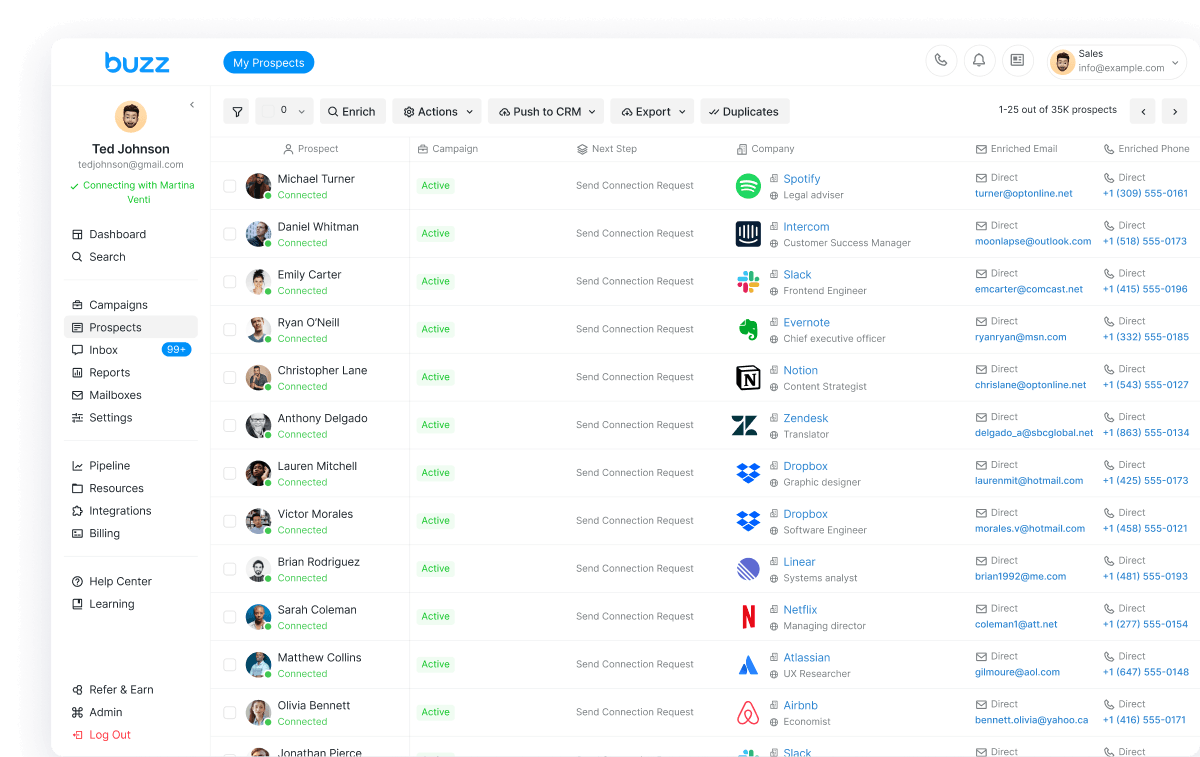
Question-based scoring works best when it sits on top of one clear view of each account. That is where an AI-powered sales intelligence platform comes in. Instead of juggling tools, the platform pulls together:
- Firmographic data like size and industry
- Contact data and decision-maker roles
- Tech stack information
- Intent and engagement signals from email, phone, and social outreach
- Notes from calls and meetings
AI then helps answer your core questions at scale. For example, natural language models can read email replies and mark phrases that signal intent, like “we are renewing our contract soon” or “we plan to roll this out across teams.” The platform can also watch for changes such as job moves, funding rounds, or new product launches, then update timing and fit scores automatically.
Over time, the system learns from what actually converts. It compares your closed-won deals against your question list and adjusts how much each signal should matter. Maybe industry ends up more important than company size, or a certain type of reply predicts meetings better than raw open counts. Because the platform sees multichannel activity together, it can pick up patterns humans miss, like phone connect rates paired with certain types of social engagement.
Building Your First Question-Based Model in 30 Days
You do not need a massive project to get value from this approach. A simple 30-day plan is enough to get moving.
Define must-answer questions
Bring together sales, marketing, and RevOps. Agree on 8 to 12 questions across:
- Fit, like “Is this account in a priority industry?”
- Intent, like “Have they shown recent interest across any channel?”
- Timing, like “Do we see any trigger event that suggests urgency?”
Keep it short and clear. If a question does not change how you act, drop it.
Map questions to signals
For each question, list what the platform should watch:
- Fit: profitable industries, key roles, tech tools that pair well with your solution
- Intent: reply types, meeting requests, webinar attendance, call outcomes
- Timing: leadership hires, public funding, product launches, known renewal cycles
Operationalize in your tools
Have your sales intelligence platform track these signals and roll them into a score per question. Surface the results directly inside your CRM and sales workspace so reps do not need to jump between tabs. Build simple dashboards that show fit on one axis and intent on another, so leaders can quickly see where volume is and where to shift energy.
Pilot, then standardize
Start small with one segment, territory, or team. Ask reps if the scores match their gut feel. Adjust question weights, then define clear rules for each score band before rolling it out more widely.
Turning Scores Into Targeted Multichannel Outreach
Scores do not close deals by themselves. They tell you how to work each lead.
You might set playbooks like:
- High fit, high intent: route fast to human-led sequences with strong personalization across email, phone, and social messaging.
- High fit, low intent: enroll in value-first nurture flows, with light call coverage and periodic video or social touchpoints.
- Low fit, any intent: keep them on low-effort education paths or disqualify so reps can focus on better targets.
Because your scores are built on questions, they also guide what you say. If the trigger is recent funding, speak to growth and scaling. If the signal is a new executive in charge, focus on helping them show quick wins. If you see strong product page activity but no replies, focus on clarity and risk reduction.
Question-based scoring also helps protect email deliverability. By throttling volume to low-fit contacts and sending more thoughtful outreach to high-fit segments, you reduce bounces and spam complaints. Cleaner, enriched data from your sales intelligence platform keeps your sending reputation healthier over time.
Finally, treat outreach outcomes as fuel for the model. Meeting booked rates, reply patterns, and deal stages should all flow back into the platform. Month by month, your scoring and your playbooks both get sharper, which is especially helpful as spring planning shifts into a heavier selling season and priorities move fast.
Unlock Smarter Sales Decisions With AI-Powered Insights
If you are ready to turn scattered data into clear, actionable insights, our sales intelligence platform is built to help your team focus on the opportunities that matter most. At Buzz AI, we combine AI-driven analytics with intuitive workflows so your reps can prioritize high-intent leads and close deals faster. Tell us about your goals and we will help you configure the right setup for your pipeline. If you have questions or want a tailored walkthrough, simply contact us to get started.