Why Your Reply Rates Are Dropping
Low reply rates rarely happen by accident. Buyers are slammed with outreach, and a lot of it now comes from AI tools that make it easy to send more, faster. That means inboxes, social feeds, and phones are packed with messages that all sound the same. When that happens, even good offers get ignored.
Many teams blame bad lists or a weak product. In reality, a few simple but painful sales engagement mistakes are doing most of the damage. When we fix those, replies start to come back. By the end of this article, you will know what to look for in your email, social, phone, and video outreach, and how a modern sales engagement platform helps you clean it all up.
Treating Every Prospect the Same Way
One of the fastest ways to tank reply rates is to treat every prospect like a clone. On one side, there is mass-blast outreach: the same subject line, the same opener, the same call to action, sent to everyone. On the other side, there is over-personalization: long, awkward intros that try too hard and lose the main point. Both miss what buyers actually care about, which is quick, clear relevance.
During spring planning season, this gets even worse. Leaders are sorting budgets, planning headcount, and reviewing tools. Their inbox is full of vendors trying to get in before final decisions. If your email reads like it could have gone to anyone in their company, it is gone in seconds.
Some common signs you are treating everyone the same:
- The same opener goes to a CRO, a RevOps manager, and a sales manager
- You never swap messaging for deal size or buying stage
- Your sequence copy never changes, no matter who replies or clicks
A sales engagement platform can help you move past that. With dynamic fields, persona-based templates, and AI-driven content suggestions, your team can keep the core message the same but adjust the angle. Messaging shifts by role, industry, and intent, so you are not just copying the same script into every thread.
Relying on Email Only as Buyers Go Omnichannel
Email is still important, but it is not the whole story anymore. Buyers check email, but they also scroll LinkedIn between meetings, answer a quick call on the way to lunch, or watch a short video message when they have a spare minute. If you only show up in one place, you miss all those other reply chances.
When you stick to email only, you run into problems:
- You hit inbox fatigue, even with solid copy
- You miss perfect timing, like right after a webinar or event
- You lose chances to build trust with voice, tone, and face
Modern outreach works better when you mix channels in a simple, human way. Think of a short email, a soft social touch, a phone call with a clear reason, and maybe a 30-second video follow-up if they showed interest. With the right sales engagement platform, your team can design these multichannel sequences in one workspace. Steps are spaced out, clear, and easy to follow, so prospects feel like they are in a real conversation, not under attack.
Sending the Wrong Message at the Wrong Moment
Even good copy falls flat if it lands at the wrong time or with the wrong ask. Many teams blast cold campaigns during holidays or big fiscal closes for their target accounts. Reps push hard for demos in the very first email, then keep pushing even after a prospect clicks a link or visits a pricing page. That mismatch makes people tune out.
Common timing and message mistakes include:
- Hitting inboxes on weekends or late nights for your buyer’s time zone
- Pushing bookings when a short value nugget would be better
- Ignoring key actions like repeated opens or visits to a specific page
This is where real-time signals matter. An intelligent sales engagement platform can:
- Detect email opens, link clicks, and page visits
- Spot event attendance or form fills
- Trigger new follow-ups with adjusted subject lines and CTAs
So instead of sending the same pushy message, your outreach shifts. Early touches aim to educate and prove you understand their problems. Later touches lean into impact once they have shown interest.
Measuring Activity Instead of Actual Engagement
When reply rates are low, many teams respond by doing more. More emails, more calls, more messages. Activity goes up, but conversations do not. The reason is simple: activity is not the same as engagement.
Here are a few signs you might be stuck in the vanity metric trap:
- You brag about emails sent but not replies or meetings
- You cannot see which steps inside a sequence actually work
- You treat every channel as equal, even when one clearly underperforms
Without granular insight, teams keep scaling what is broken. A unified sales engagement platform gives a clearer view of how each piece works together. You can see performance across email, social, phone, and video in one place, then let AI spot patterns like:
- Which subject lines pull the most positive replies
- What time of day and day of week leads to answers
- Which channel order gets more meetings booked
From there, you can tweak, test, and keep improving in small steps instead of guessing in the dark.
Making Every Touch Feel Like It Was Written by a Robot
Buyers can now spot AI-written outreach from a mile away. They see the same cold openers, fake-sounding flattery, and stiff tone. Even when the message is correct, it feels off, like no human would actually talk that way. That kills trust before the conversation even starts.
Robot-feel happens when:
- Every rep uses the exact same script
- Personalization tokens feel forced and random
- Messages are long, formal, and packed with buzzwords
AI is not the problem. The problem is how it gets used. A modern sales engagement platform like Buzz AI helps reps get the best of both worlds. The tools can draft a message that matches your brand voice and the buyer’s context, then reps add quick edits, personal notes, and their own style. You can A/B test short, natural sequences and keep what sounds like a real person talking to another real person.
Over time, your outreach starts to sound less like a robot and more like the sales team you actually are: curious, direct, and focused on real outcomes.
Turn Dead Outreach Into Real Conversations
When you step back, most reply problems come from the same cluster of issues: generic messaging, a single channel, bad timing, shallow reporting, and cold, robotic automation. The good news is that each of these can be fixed with clear decisions and the right tools.
A simple 30-day audit might include:
- Reviewing your top sequences for one-size-fits-all copy
- Adding at least one new channel touch to each active sequence
- Adjusting send times based on real engagement data
- Rewriting intros and CTAs so they sound specific and human
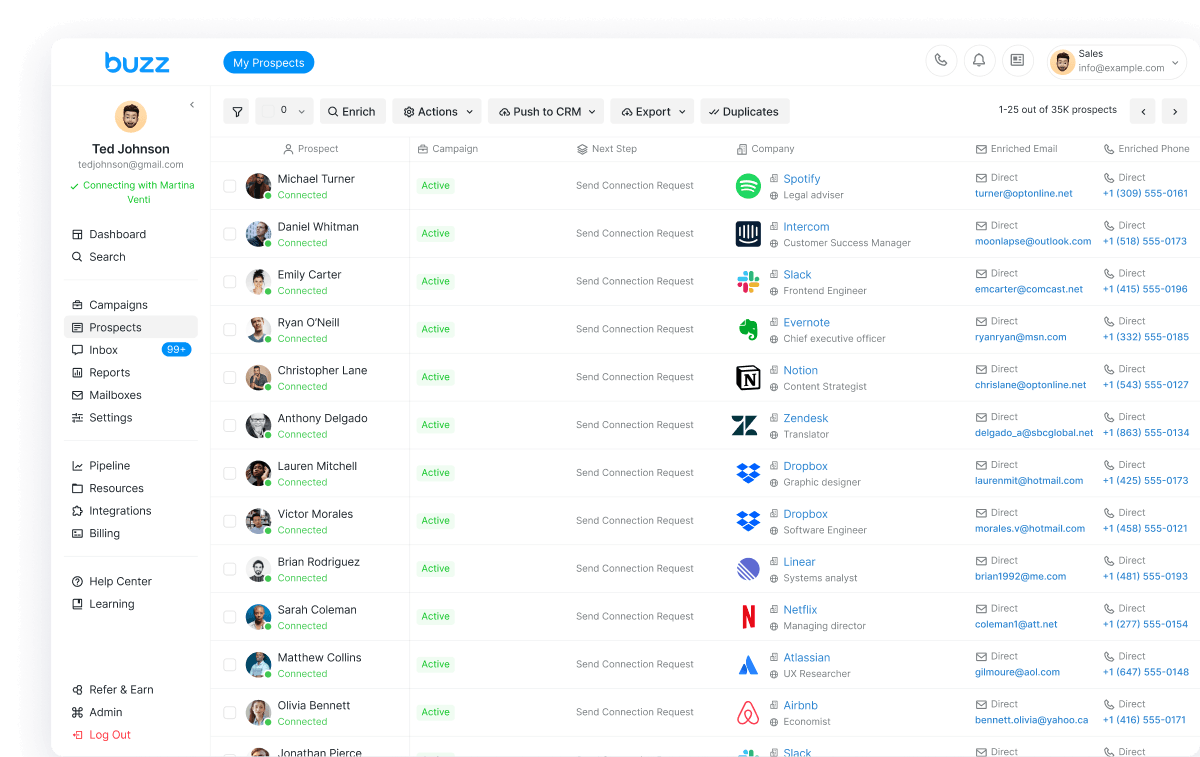
At Buzz AI, we built our sales engagement platform to make those changes easier, not harder. From one workspace, your team can identify, enrich, and engage prospects across email, social, phone, and video, then use AI to learn what actually earns replies in your market. When you treat prospects like people, match your message to the moment, and measure what really matters, reply rates stop feeling random and start moving in the right direction.
Boost Your Revenue With Smarter Sales Engagement
Unlock more qualified conversations and shorter sales cycles with our AI-powered sales engagement platform. We help your team prioritize the right prospects, personalize outreach at scale, and track every touchpoint in one place. If you are ready to modernize your outbound strategy, reach out to our team through contact us and we will walk you through a tailored setup. At Buzz AI, we are committed to giving your sales team the tools they need to hit ambitious targets with confidence.