Build a Predictable Pipeline in a Volatile Market
Sales is harder now. There are more people in every deal, buying teams move slowly, and budgets get picked apart line by line. A single “hero rep” who muscles deals over the line cannot carry the number anymore. Leaders need a system that makes great selling repeatable, not a few superstars working miracles at the end of the quarter.
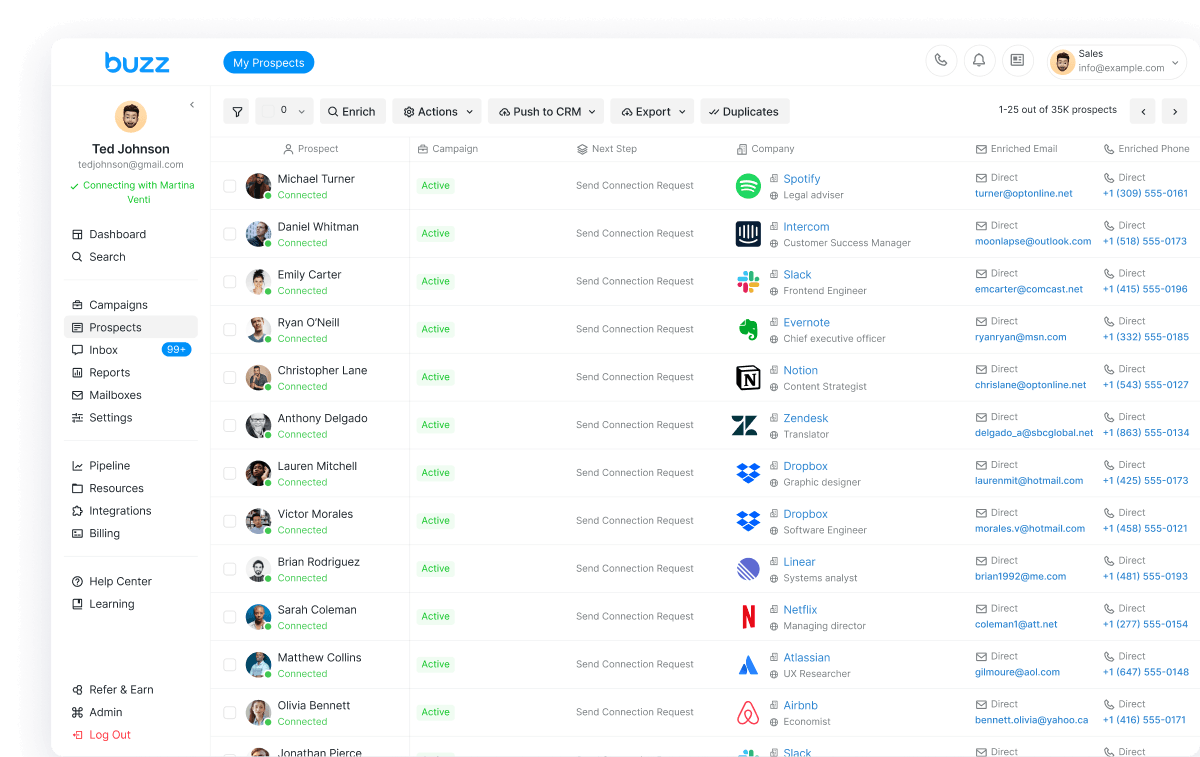
That is where sales intelligence software comes in. In plain language, it is a tool that turns raw data into clear, timely guidance for your team. It shows who to talk to, when to reach out, and what to say, all in one place. When the signals are strong and the data is clean, you get fewer end of quarter surprises and a pipeline you can trust.
In this guide, we will walk through the data sources your platform should include, how to test signal quality before you sign anything, and which forecasting KPIs actually help you plan. The goal is simple: help you build a pipeline you can predict, even when the market feels shaky.
What Sales Intelligence Software Must Do for You
Before anyone tests a tool, the revenue team needs to agree on the outcomes. Executives, RevOps, sales, and marketing should write down three to five non-negotiables, like:
- Higher meeting rates with your ideal customers
- Faster deal cycles from first touch to closed-won
- Forecasts that stay close to reality, not guesswork
Modern sales intelligence software has three core jobs:
- Identify: Find and rank the right accounts and buyers
- Enrich: Keep company and contact records clean and complete
- Engage: Help reps act on those insights across email, phone, social, video, and more in one workspace
This is very different from a static lead list or a basic CRM. Instead of one-time uploads, you get real-time updates, behavior signals, and next steps that show up right where reps work. The right mindset is simple: you are not buying a database, you are building an insight-driven revenue engine.
Data Sources Your Platform Should Really Cover
If the data feeding your sales intelligence software is weak, the “intelligence” will be weak too. You want a clear picture of who your buyers are, what they do, and how they respond over time.
Some key data sources include:
- Company and contact data: Industry, size, region, tech stack, and the roles that sit on buying committees. Good enrichment and de-duplication keep routing clean and cut the “who owns this account?” drama.
- Activity and engagement data: Email sends, opens, replies, call logs, meetings, and social engagement. These show real interest and momentum instead of guesswork.
- Intent and trigger data: Website visits, content downloads, product usage, hiring moves, funding events, and tech changes. Seasonal buying cycles matter, too, especially as teams gear up for heavy Q3 prospecting for Q4 deals.
- System data: CRM, marketing automation, calendar, and dialer data so leaders see one version of pipeline health instead of ten random spreadsheets.
As you review vendors, ask for clear documentation on each source. Where does it come from, how often does it refresh, and how does it map into your current stack? If a vendor cannot answer that in plain language, that is a red flag.
How to Test Signal Quality Before You Commit
Signal quality is about how accurate, timely, and useful the insights are for your specific motion. Fancy screens do not matter if the system keeps telling your reps to chase the wrong people at the wrong time.
Skip the “wow” demo and run a proof-of-value. Pick a clear segment, maybe 200 accounts, and use the platform in a real campaign during a calmer month before the big year-end push. Then run these tests:
- Match rate test: How many of your target accounts and contacts does the tool actually know and enrich? Gaps here mean more manual work later.
- Freshness test: Manually sample 50 to 100 contacts and check job changes, email accuracy, and company fit. Stale data wastes time and hurts trust.
- Conversion lift test: Compare meeting rates and qualified opportunities between sequences powered by platform signals and your usual lists. Even a clear directional lift is a good sign.
- Prioritization test: See if the “top” recommended accounts look like your best-fit, closed-won customers. If they do not, scoring rules may need work.
- Noise test: Track how many “hot” alerts turn into real conversations. Too many dead ends will train reps to ignore alerts altogether.
Use these tests to shape your contract. Push for SLAs or trial periods tied to signal performance, not just seats and features.
Forecasting KPIs That Actually Predict Pipeline
Closed revenue is a lagging metric. By the time it looks bad, it is too late to fix the quarter. Sales intelligence software should give you forward-looking KPIs you can actually steer.
At minimum, you want:
- Conversion rates by stage, segment, and channel: For example, how leads from email vs calls vs outreach on social move through the funnel.
- Stage velocity: Average days in stage so you can spot stuck deals before the last week of the quarter.
- Pipeline coverage ratio: Pipeline value compared to quota at team and segment levels.
- Meeting-to-opportunity and opportunity-to-close rates: Clear view of where deals fall off.
You also want quality-of-pipeline KPIs, like:
- Win rate by ideal customer fit
- Average deal size by segment
- Multi-threading depth, meaning how many contacts are engaged in each opportunity
These numbers power seasonal planning. You can back into how much Q3 prospecting you need to support Q4 goals, what ramp to expect from new hires, and how different best, middle, and worst-case scenarios play out.
Evaluating Platforms for Real-World Team Adoption
The best sales intelligence software fails if reps hate using it. User experience matters more than one extra data field.
- A clean, simple workspace for email, dialer, video, and outreach on social
- Easy sequence building so managers can ship new plays fast
- Clear, in-context hints instead of noisy pop-ups
RevOps leaders should also dig into integration details. How does the CRM sync work? Can you control which fields write back and when? Does admin work stay reasonable, or will your team live in settings?
Plan for change management, too. Roll out in phases: start with a pilot group, give them clear playbooks, and coach managers so they use the insights in one-on-ones. When leaders use the same data in pipeline reviews, reps learn quickly that good data leads to better support and more wins.
Finally, think about executive dashboards. You want simple views that show pipeline health, leading indicators, and how rep activity connects to real outcomes. Weekly pipeline meetings should shift from long debates to fast decisions.
Turn Signal Into Revenue with a 90-Day Plan
A good platform plus a clear plan beats a great platform with chaos. Here is a simple 30-60-90 view we often see work well:
- Days 0 to 30: Lock in your outcomes, pick a shortlist, and run the signal quality tests.
- Days 31 to 60: Turn on core integrations, launch a focused pilot, and refine your ICP and scoring rules based on real data.
- Days 61 to 90: Roll out to more reps, hard-wire the key forecasting KPIs, and start retiring duplicate tools that create noise.
By the end of that window, you should know which data sources you trust, which signals actually move the needle, and how well your team lives in the new workspace. At Buzz.ai, we built our all-in-one, AI-powered engagement platform for exactly this kind of work: one place to identify, enrich, and engage across channels, so you can scale personal outreach, protect margin in slower quarters, and build a pipeline you can forecast with confidence in any season.
Turn Your Sales Data Into Actionable Revenue Insights
Ready to see what smarter selling looks like in practice? Our sales intelligence software helps your team uncover high-intent accounts, personalize outreach, and close deals faster. If you are interested in tailoring Buzz AI to your sales process or have specific questions about implementation, simply contact us. We will walk you through a focused demo so you can quickly decide if it is the right fit for your pipeline.