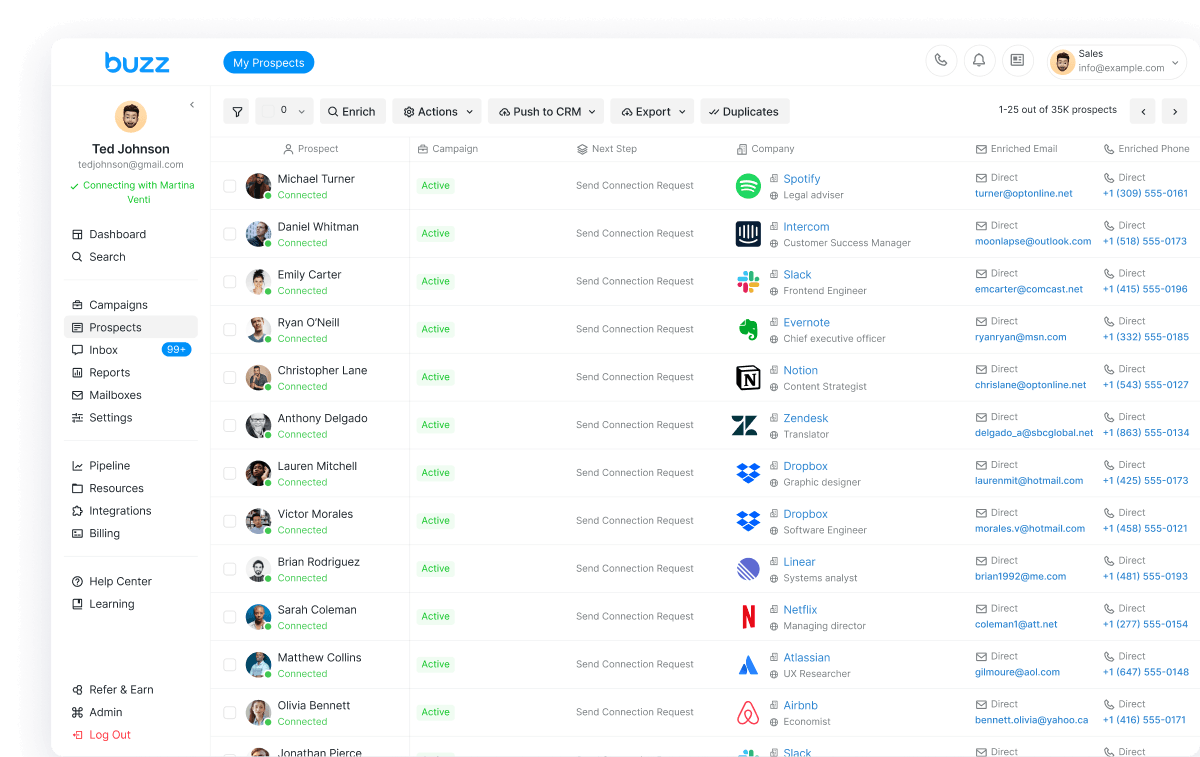
Sales intelligence platforms can turn a small sales team into a serious growth machine, but only if they are simple to run and quick to show results. When budgets are tight and buying decisions slow down, we cannot afford long setups, confusing tools, or fluffy metrics that do not tie back to revenue. We need a clear plan, clear roles, and a single place where reps actually enjoy working every day.
In this guide, we walk through a 30-day implementation plan for lean sales teams. We focus on what to do each week, how to set up roles and workflows, and which KPIs matter most. The goal is simple: more meetings, more qualified pipeline, and less time lost jumping between tools.
Turning Lean Sales Teams Into Revenue Powerhouses
Many revenue teams are being asked to do more with less. Headcount is flat, buying cycles stretch out, and every new tool gets pushed back unless it proves value fast. That pressure can feel heavy, but it can also be an advantage for teams that get focused.
We call this approach lean but leveraged. You might have fewer reps, but each rep gets:
- More coverage across target accounts
- More personalization without long research time
- More speed, because work lives in one sales intelligence workspace
Instead of stacking yet another point tool, the idea is to run everything from a unified place. With a 30-day plan, you are not trying to perfect every motion. You are trying to stand up one clear system: defined roles, simple workflows, and KPIs that leadership understands.
By the end of this playbook, you will have a week-by-week roadmap you can follow, examples that fit both agencies and B2B SaaS teams, and practical metrics you can show in your next pipeline review.
Why Traditional Sales Intelligence Platforms Fall Short
A lot of teams end up with a bloated tech stack. One tool for data enrichment. Another for intent signals. Another for sequences. A separate dialer. A video tool on top. Reps spend their day copying and pasting, switching tabs, and trying to remember which login does what.
That creates real problems for lean teams:
- Slow ramp for new reps
- Lost context between tools
- Reporting that never fully lines up
On top of that, many sales intelligence platforms still push broad territory coverage instead of focused, signal-driven prospecting. Reps chase every account that fits a basic profile, not the accounts that are actually showing interest right now. Time and attention get spread too thin, and true buying intent gets buried.
There are hidden costs too. Data gets duplicated, reports do not match, and nobody feels confident changing workflows inside a complex setup. Getting something this heavy off the ground in 30 days is tough.
A better way is to bring enrichment, intent, multichannel outreach, and automation into one simple workspace that matches how small teams really sell: fast iterations, clear priorities, and easy coaching.
Designing a 30-Day Sales Intelligence Rollout
Week 1 is all about strategy and data foundations. Before we send a single email, we want to be very clear on who we are going after and why they might buy now.
Key steps for week 1:
- Define ICP and segments for the next two quarters
- List industries, company sizes, and key triggers that signal readiness
- Audit your current tools and data sources
Then we decide what to pull into a central platform to cut context-switching. This is where we shift from activity goals like emails sent to outcome goals like meetings booked, pipeline created, and reply rates.
Week 2 is roles and responsibilities for a lean team. In many cases there is no big RevOps group, so we keep it simple:
- One person owns system setup and data, often RevOps or a founder
- AEs and SDRs own daily execution and feedback
- Marketing or content supports message assets, such as templates and scripts
We also set a light operating rhythm. Daily standups to review tasks, a weekly pipeline review, and a 30-minute signals review where the team picks which accounts to attack first. All of this fits on a one-page runbook that explains how to move a prospect from fresh signal to a live sequence.
Weeks 3 and 4 are where we launch, iterate, and stabilize. We start with one core workflow, like outbound to high-intent accounts, rather than ten plays at once. Every 3 or 4 days we test subject lines, call openers, and social touches and tune based on real engagement.
We also lock in reporting: simple dashboards that show daily inputs and weekly outcomes by rep so managers can coach based on facts, not guesses.
Building High-Impact Workflows Across Channels
Email and social should work together instead of living in separate lanes. A good starting point is a 10- to 14-day multi-step sequence that uses:
- Short, clear emails
- Thoughtful LinkedIn connection requests and comments
- Small AI-generated snippets tailored to each persona and trigger
Your sales intelligence platform should pull firmographic and behavioral data right into templates so reps can personalize fast, without writing from scratch every time. From there, we watch open rate, reply rate, positive reply rate, and meeting set rate by sequence and by rep.
Phone and video act as signal amplifiers. Instead of cold dialing down a static list, reps run call blocks only for accounts with fresh intent, like recent site visits or content downloads. For top contacts, a 30- to 60-second video can stand out. AI can help script and personalize these clips, then log them in the same workspace.
We watch:
- Call connect rate
- Conversation to meeting conversion
- Video view to reply ratios
Automation should handle timing, task creation, and follow-up reminders, while humans keep the message true to ICP pain. Alerts for high-intent actions, such as pricing page views, help reps respond in minutes with targeted outreach. Each week we check if sequences are too long, too automated, or off from live buyer behavior and adjust.
Lean KPIs That Prove Revenue Impact Fast
Lean teams need simple, outcome-focused KPIs. Activity alone does not pay the bills. We focus on:
- Pipeline created
- Net new opportunities opened
- New meetings booked per rep
We set clear 30-day targets and then break them down by channel so we know where wins come from, whether email, social, phone, or video.
We also track efficiency and quality. Time to first touch on new leads or new intent signals matters, especially in fast spring selling cycles before summer slows things down. Account coverage is another key metric: what share of target accounts got at least one thoughtful touch this month.
Finally, we look at platform consolidation impact. That includes tool count, license sprawl, and time per workflow before and after moving to one unified sales intelligence platform. Revenue per rep and even revenue per tool help show leaders how a lean stack can outperform a scattered one. Shared dashboards keep sales, marketing, and leadership pointed at the same picture of what good looks like and when it is time to grow headcount again.
Turn Sales Data Into Actionable Revenue Insights
If you are ready to move beyond static reports and actually guide your reps to the next best action, our sales intelligence platforms are built for you. At Buzz AI, we help growing teams surface the right accounts, contacts, and timing signals so every outreach counts. Explore how we can fit into your current workflows, then contact us so we can walk through your goals and recommend a focused rollout plan.