Make AI SDR Workflows a Win for Reps and Revenue
AI SDR workflows are becoming a must-have for outbound teams that want to keep up, not a shiny extra on the side. If we want more meetings, better coverage, and less burnout, we cannot keep asking reps to grind through the same manual tasks all day. AI can help with that, but only if we roll it out with a real plan, not a quick switch.
Many reps worry that an AI SDR platform means fewer jobs, more snooping, or a loss of control over their accounts. Those fears are real. A good change management plan respects that and proves that AI is here to make their work better, not smaller. The real goal is to redesign how we find, engage, and convert prospects, with clear guardrails and clear upside for the humans on the team.
Start with Strategy, Not Just Software
Before we turn on any new tool, we tie AI SDR workflows to specific business outcomes that leadership and reps care about. This keeps the rollout focused and keeps the noise down.
For most outbound teams, the big goals include stronger pipeline coverage for coming quarters, deeper territory penetration without burning out reps, better meeting quality (not just higher volume), and cleaner data so forecasting is less guesswork.
We also decide what AI owns and what humans own so the rollout feels clear and fair. AI typically handles net-new prospect discovery and basic enrichment, plus first-touch outreach under clear rules. Reps stay responsible for deep personalization for priority accounts, live conversations, qualification, and handoff to AEs. Reply handling is often shared, with explicit rules for when AI drafts and reps approve.
Then we keep the pilot small and measurable. Rather than rolling out everywhere at once, we pick one or two segments and a handful of change-friendly reps, and we define simple success criteria:
- Meetings set per rep
- Reply quality that feels human, not spammy
- Time saved per week on manual prospecting
Design a Change-Ready AI SDR Workflow
Next we map the outbound engine we already have. No AI yet, just reality. We look at where leads come from, what enrichment tools are in place, how sequences, social outreach, and call blocks fit together, and where handoffs to AEs work well versus where deals stall and go quiet.
Once we see the real flow, we layer the AI SDR platform into it in the places where it naturally reduces repetitive work or improves speed and consistency. Common insertion points include:
- Prospect discovery to keep fresh accounts and contacts coming in
- Enrichment that fills gaps and keeps data current
- Scoring and prioritization so reps know what to work first
- Multichannel outreach across email, calls, and social messaging
- Response handling so simple replies get fast, on-brand answers
To make this workable day-to-day, we also build firm rails so reps feel safe and stay in control. That includes clear playbooks and use cases, tone and brand rules that match how your team already talks, and governance basics like do-not-contact lists, account ownership rules, and opt-out controls. It also means adding approval steps for first messages in a new segment and escalation rules for complex replies, pricing, or objections.
With good rails, reps see AI as a helpful driver on a set track, not a loose cannon.
Enablement, Comp Plans, and Trust Metrics That Make AI Work
A change like this lives or dies on communication, so we keep messaging role-specific and very clear about what is changing and what is not. The practical impact should be easy for each group to understand:
- SDRs: less time hunting for leads, more time in real conversations
- AEs: warmer handoffs, cleaner notes, and better context on accounts
- RevOps: clearer funnel data and fewer manual list pulls
- Leadership: more predictable pipeline tied to real activity
Then we run hands-on training. Instead of long slide decks, we focus on live walkthroughs that mirror real work in the tool:
- Creating and editing sequences in the AI SDR platform
- Reviewing and tweaking draft messages before they go out
- Handling AI-routed replies so nothing important slips through
We back that up with ongoing support so adoption does not drop after launch. Weekly office hours should have a clear owner for AI workflow questions, playbook docs should live in a simple FAQ hub, and reps need a feedback channel where they can flag weird replies or share new ideas.
Comp plans also have to line up with the new way of working. If AI-sourced work pays less, reps will avoid it. To keep things fair, we treat meetings from AI-assisted workflows like any other outbound meeting, set clear rules for attribution when AI finds the prospect but reps close the deal, adjust targets to reflect AI-boosted productivity (not magic overnight jumps), and avoid double-counting while still rewarding smart manual prospecting that adds value.
Trust comes from metrics that feel fair and useful. We focus on a small set of measures that show whether AI is actually improving the work and the outcomes:
- Time saved per rep on manual research and list building
- Increase in higher-value activities like live calls and real discovery
- Lift in conversion on AI-managed sequences compared to old flows
- How much control each rep has over campaigns and message edits
We stay away from “gotcha” tracking that focuses on every click. Instead, we use data for coaching, not punishment. We also share success stories early, like reps who improved personalization or cut repetitive tasks, so the team sees real upside.
Measure What Matters and Turn Your Pilot Into a Playbook
To know if the rollout is working, we track a simple set of KPIs:
- Meetings booked per rep
- Reply rates by channel
- Conversion from response to meeting
- Cycle time from first touch to first meeting
We compare AI vs non-AI workflows with A/B testing, list quality reviews, and pipeline health checks. Seasonal checkpoints help too, like reviewing performance before and after big holiday periods or budget cycles, then adjusting territories, message themes, and channel mix.
When the pilot is working, we decide how to scale. Some teams move by team (starting with one SDR group and expanding), by region (where certain markets are easier to test quickly), or by segment (such as starting with mid-market before moving up to enterprise).
As we scale, we standardize what works. That usually means locking in cadences that reliably convert to meetings, the right mix of email, calling, and social outreach, and follow-up rules so no warm reply gets lost.
Then we document everything in a living playbook that includes:
- Workflow diagrams and ownership rules
- Compensation and attribution rules
- Common objections from reps and how we addressed them Ongoing feedback and new ideas from the field
As our AI SDR platform and markets evolve, that playbook should update on a regular rhythm, not just once and done.
Kick Off Your AI SDR Rollout with Intent
In the end, a strong rollout comes down to a few non-negotiables: a clear strategy tied to business outcomes, rep-centered enablement, aligned comp plans, and transparent trust metrics. With those in place, AI SDR workflows stop feeling scary and start feeling like a smarter, more modern way to run outbound.
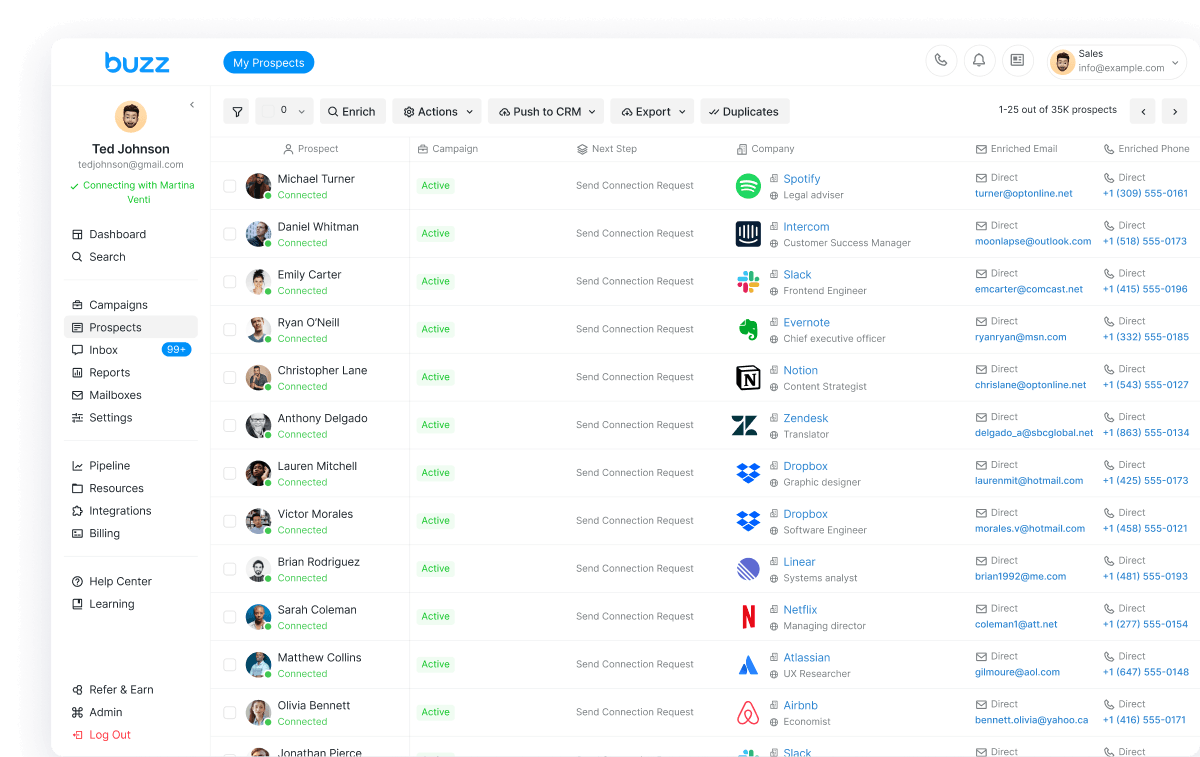
At Buzz AI, we see this shift every day as teams move from heavy manual work to scalable, AI-assisted outreach that still feels human. When leaders use the same dashboards as reps, celebrate early wins, and treat AI SDR workflows as a core part of the go-to-market engine, the whole team leans in instead of holding back.
Boost Your Outbound Results With Smarter AI SDR Workflows
Discover how our AI SDR platform can help your team generate more qualified meetings with less manual work. At Buzz AI, we combine powerful automation with human-quality outreach so your sales reps can focus on real conversations instead of repetitive tasks. If you are ready to streamline your pipeline and close more deals, we are here to help you make the transition smoothly. Have questions or want a quick walkthrough of what this could look like for your team? Just contact us and we will set up a time to talk.