Email lead generation can turn a small sales team into a steady meeting machine. When your reps are handling prospecting, calls, demos, and follow-ups, you need a channel that brings results without draining every hour in the day. Done right, email lets you start smart conversations with people who actually fit your offer, not just anyone with an inbox.
In this guide, we will walk through practical playbooks you can hand to your team and start using fast. We will cover how to build a targeted list, write simple emails that get replies, plan respectful sequences, layer in social touches, and turn what works into repeatable playbooks you can run again and again.
Turn Email Into Your Small Team’s Superpower
Smaller sales teams often feel like they are behind bigger competitors, but you actually have some quiet advantages. You can test ideas fast, get decisions from leadership in minutes, and shift your approach without layers of approvals.
That makes email a perfect channel for you, since it rewards quick testing and tight messaging. With the right playbooks, you can:
- Try new angles in days, not months
- Share what works across the whole team
- Keep your domain healthy while still being bold
We will walk through four big pieces: list building and enrichment, simple messaging frameworks, multi-channel touch patterns, and AI-supported workflows that fit lean revenue teams.
Build a Clean, Targeted Email List From Day One
Strong email lead generation starts with data, not copy. If your list is messy or random, even the best email text will fall flat. So begin with a clear ideal customer profile, or ICP.
Have your team define, in plain terms:
- Industry or niche you serve best
- Company size range
- Tech stack or tools your buyers often use
- Key titles and roles you help
- Geography and time zones
- Urgent problems they feel right now
Next, make a list of sources you already have. Most teams sit on more data than they think:
- Contacts in your CRM
- Website form fills and newsletter signups
- Webinar or workshop attendees
- People met at events or in communities
- Referral and partner introductions
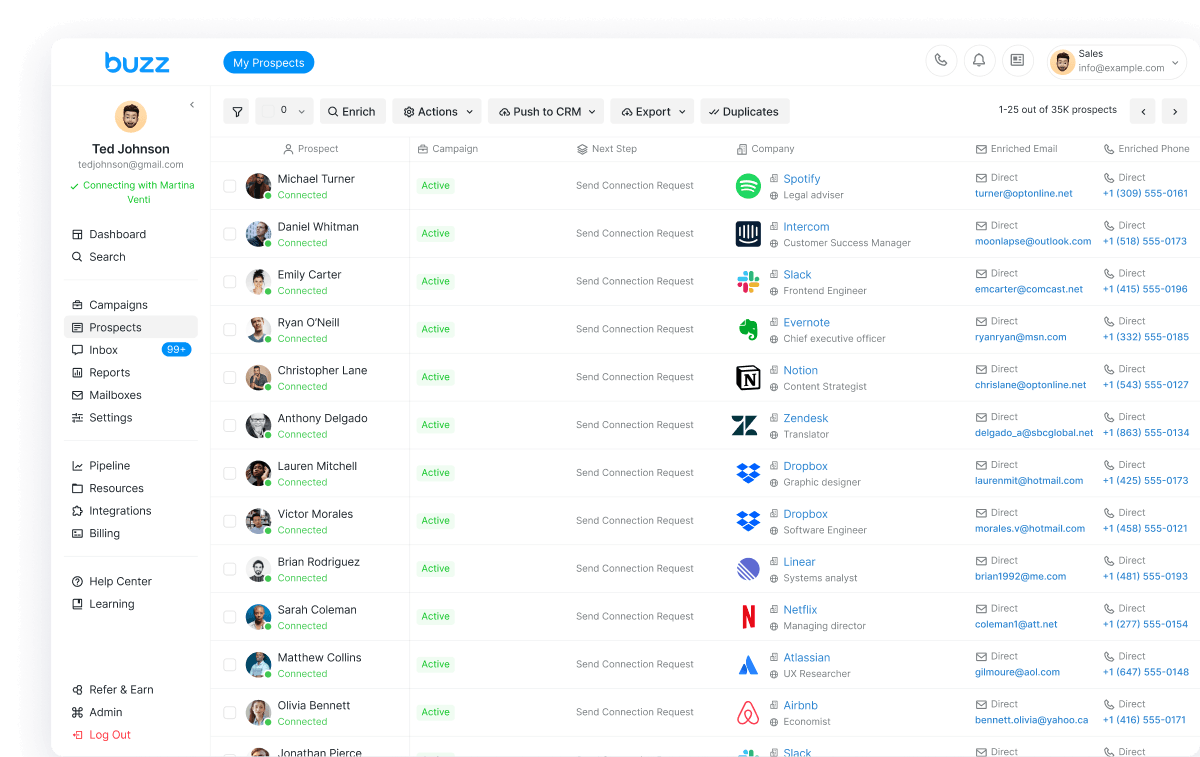
Then layer enrichment on top. Use tools to fill in missing job titles, company details, and verified work emails. Sort by simple buying signals like recent funding, open roles, new product launches, or public complaints about current tools.
Protecting deliverability starts at the list level. Avoid scraped lists from random sites, remove bounces and inactive contacts, warm up new sending domains slowly, and always respect opt-outs. A small team cannot afford to burn a domain or get stuck in spam.
Craft Short, Clear Emails That Actually Get Replies
When you have a small team, message market fit matters more than sheer volume. You cannot just spray generic templates and hope for the best. Every email should feel like it was written for a real person with a real problem.
Use a simple, repeatable framework:
- Subject line: specific, curiosity-driven, tied to an outcome
- Opening line: reference a real signal, not fake flattery
- Value: one clear problem you solve and what changes for them
- Soft CTA: a low-pressure next step
Example for an agency owner:
Subject: Growing retainers without adding headcount?
Saw your team has been rolling out more done-for-you campaigns lately. Many agencies hit a ceiling when new clients mean more manual outreach work. We help teams keep outbound running while staying lean, so owners are not stuck doing late-night prospecting. Worth a quick compare on what your current outbound setup looks like?
Example for a B2B SaaS VP of Sales:
Subject: Cutting SDR ramp time at fast-growing SaaS teams
Noticed your team has been hiring new reps this quarter. A lot of leaders tell us new SDRs spend weeks just bouncing between tools and tasks. We centralize their daily outreach so they can send targeted email and social touches without learning five systems. Open to a short benchmark on what your reps are juggling now?
Example for a local services franchisor:
Subject: Helping franchise owners keep pipelines full
Saw that your locations are expanding into new regions. Many franchisors struggle to give owners a simple outbound playbook that still feels local. We help teams send consistent, branded outreach while keeping messages tailored to each area. Would a 10-minute walk-through of that setup be helpful?
For personalization at scale, keep it light across a whole segment, like role, industry, or a trigger event. Save deep custom research for top accounts or senior leaders. Skip over-the-top praise that sounds like it came straight from a robot. Stick to clear facts your prospect can see too.
Design Multi-Step Sequences That Respect Inboxes
One cold email is rarely enough, especially in higher-value B2B sales. Busy buyers need a few friendly nudges, not one loud pitch. A short, planned sequence keeps every touch intentional.
Here is a simple 10- to 14-day playbook:
- Day 1: problem-focused opener, outcome plus soft CTA
Day 3: quick case or proof point, one specific result, clear angle
Day 6: insight email, a short playbook, benchmark, or Loom-style teardown
Day 10: polite persistence follow-up with a fresh angle or question
Keep etiquette tight:
- Short, scannable paragraphs
- Limited links and tracking images
- Different subject lines and body text across steps
- Clear stop points when people say no, not now, or are unqualified
Watch simple metrics your team can track without getting lost:
- Reply rate
- Positive reply rate
- Meetings booked per 100 sends
- Unsubscribe rate as an early warning sign
Multiply Results with Social Outreach and Light Automation
Email works better when people have seen your name before. That is where light social outreach helps, even for small teams.
Try a simple multi-channel pattern:
- Day 1: initial email
- Day 2 to 3: follow their social account and leave a relevant comment
- Day 4 to 5: short social message that references your email and shares a quick resource
- Day 7 to 10: follow-up email with an insight or micro case study
Sales engagement platforms and AI help your small team do this without chaos. You can centralize email, social outreach, and call tasks so reps are not living in twenty tabs. AI can suggest next-best actions, build first-draft emails, and fill in role- or industry-based snippets, while your reps add the human tweaks.
Automation should handle the busywork, like task creation, reminders, and basic enrichment. Your people should spend their energy on real conversations. As late spring turns into early summer and people start traveling or planning Q3 campaigns, adjust send times, subject lines, and offers. Lighter messages, shorter audits, or Q3 planning angles often land better than heavy, urgent pitches.
Turn Winning Emails Into Repeatable Playbooks
Treat email lead generation like a product you keep improving, not a one-time campaign. When a subject line or body copy works, it should not live in one rep’s notebook; it should become a shared asset.
Use a simple feedback loop every two weeks:
- Review each sequence and step side by side
- Promote the best performers into approved templates
- Kill, rewrite, or test new angles on low performers
- Ask reps what replies actually turned into good meetings
Keep a small internal library:
- Playbooks by segment, like industry or company size
- Playbooks by trigger, such as webinar attendee or event follow-up
- Playbooks by stage, including cold outbound, warm nurture, and reactivation
Over the next 30 days, a small team can make real progress by refining the ICP, building and cleaning one focused list, launching a short email sequence with light social support, testing one AI-assisted workflow, and setting a recurring review rhythm. At Buzz AI, we build our platform around these exact habits so smaller teams can run big-league outbound without juggling a pile of tools.
Turn Targeted Outreach Into Predictable Revenue Growth
If you are ready to turn inbox conversations into qualified opportunities, we can help you build a scalable system around email lead generation. At Buzz AI, we combine data-driven targeting with smart automation so your team spends less time prospecting and more time closing. Tell us about your goals and constraints, and we will tailor a strategy that fits your pipeline needs. Have questions or want to explore use cases for your industry, just contact us and our team will walk you through next steps.