How to Fix Follow-up Gaps That Let Warm Prospects Go Cold
Warm prospects usually do not disappear because your product is wrong for them. They disappear because your timing and follow-up fall out of sync with their attention span and priorities. When follow-up is slow, sporadic, or generic, interest quietly fades, even when the initial signal was strong.
In this article, we will walk through where follow-up typically breaks, how to spot those leaks in your process, and how to replace manual, memory-based chasing with automated sales sequences powered by a modern sales automation platform. Our goal is simple: help your team keep more of the pipeline you already earned and turn quiet interest into closed revenue.
Why Warm Prospects Quietly Disappear
Most warm prospects do not send a clear "no." They just stop replying. That silence usually traces back to three patterns: slow follow-up, inconsistent follow-up, or follow-up that feels like a template blast instead of a thoughtful next step.
Common gaps appear at very predictable moments in the sales cycle, for example:
- After a demo or discovery call, when notes are fresh but next steps are vague
- After sending a proposal, when the buyer is aligning internal stakeholders
- After a positive reply to outbound outreach, when the rep is juggling too many threads
- After initial interest on social, when a casual interaction never becomes a real conversation
When these touchpoints slip, the hidden costs stack up:
- Missed revenue from deals that were winnable but went dark
- Pipeline forecasts that look healthy on paper but are built on stalled conversations
- Brand goodwill burned by dropped balls and inconsistent experiences across channels
The fix starts with structure. Clear processes, automated sales sequences, and a unified sales automation platform keep every touchpoint on schedule so reps can focus on quality conversations instead of chasing their inbox.
Finding the Follow-up Leaks in Your Sales Process
Before we fix follow-up, we need to find where it breaks. That starts with mapping the stages where prospects most often slip through.
Typical leak points include:
- Inbound leads that fill out a form and then wait days to get a reply
- Outbound prospects who respond positively but do not receive the next step quickly
- Meeting no-shows that never get rescheduled or re-engaged
- Trial activations that never get guided onboarding or value-focused check-ins
- Contacts from events or webinars that never move past the first "great to meet you" email
Next, we can audit the tools we already use, especially our CRM and inbox. We can look for:
- Deals stuck at the same stage longer than a typical sales cycle
- Email threads where the last message was from the prospect and we never replied
- Leads or opportunities with no logged activity for 7 to 14 business days
A few simple metrics provide a reality check:
- Time-to-first-follow-up after an inbound form fill or warm reply
- Average number of meaningful touches per opportunity
- Time gaps between touches at each stage, for example between demo and proposal, proposal and follow-up, or first and second call
Getting this right is not only a sales problem. Leadership, sales, and RevOps should agree on what "good follow-up" means in your organization:
- How quickly should inbound leads hear back?
- How many touches are expected before a lead is considered truly unresponsive?
- What channels are required at each stage, such as email plus a call plus social outreach?
This shared definition becomes the blueprint for automation and for coaching.
Turning Manual Follow-up Into Repeatable, Automated Playbooks
Once we know where leads leak out of the funnel, we can turn patchwork follow-up into repeatable plays using automated sales sequences. In practical terms, these are pre-built workflows that combine email, calls, and social actions in a structured timeline.
Common sequence types include:
- Inbound lead nurture for people who raise their hand but are not ready to buy yet
- Outbound warm reply flows to move positive responses toward a meeting soon
- Post-demo follow-up that confirms outcomes, shares resources, and proposes next steps
- No-show recovery to quickly reschedule and keep momentum alive
- Reactivation plays for stalled deals that went quiet but are still a fit
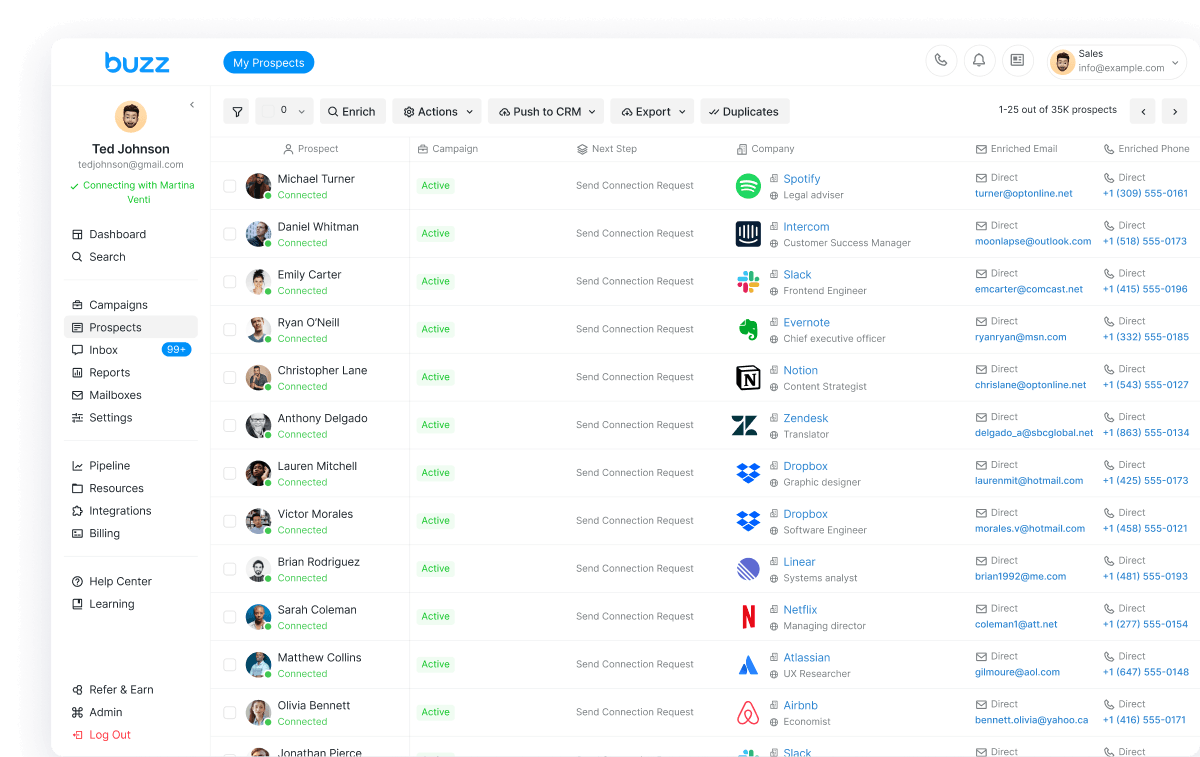
A modern sales automation platform helps by:
- Assigning tasks for calls or manual emails on specific days
- Sending scheduled emails automatically at optimized times
- Surfacing a prioritized daily list of actions so reps always know who to contact next
Automation should not replace human judgment. It should handle timing, sequencing, and task management so reps can focus their effort on:
- Tailoring messages to the prospect's situation
- Adjusting the play when new information comes in
- Knowing when to escalate, pause, or exit a sequence
Designing Follow-up That Feels Personal, Not Robotic
The best follow-up feels like it was written just for the person receiving it, even when it is part of an automated play. A simple message framework helps keep things warm and relevant: context, value, and a clear next step.
- Context: Remind them who we are and why we are reaching out, for example, "Following up on our call about your outbound team's conversion rates."
- Value: Offer something useful, like a resource, a quick insight, or a clarified benefit.
- Next step: Suggest a low-friction action, such as replying to a quick question or picking a time slot.
We can still personalize at scale, especially when our sequences are built for segments:
- Use industry-specific hooks that reflect how their world works
- Speak directly to role-based pain points, like what matters most to a sales leader vs. a founder
- Reference previous calls, emails, or comments so it is clear we were paying attention
Channel mix matters too. Prospects do not live only in email:
- Email is ideal for clear summaries, resources, and tracking replies
- Phone calls create real-time clarity and help move complex deals forward
- Outreach on social keeps us visible and approachable in a lighter, conversational way
Empathetic language goes a long way. For example:
- "I know your schedule is packed, so if now is not the right time, I am happy to circle back later."
- "If priorities have shifted, a quick 'not now' reply is completely fine and helps us stay aligned."
This keeps the door open without adding pressure.
Using Data and AI to Keep Deals Moving Forward
Once follow-up is systematized, data and AI help us decide what to do next and where to focus our time. Engagement data tells us which prospects are still paying attention.
AI can score activity like:
- Email opens and clicks, across a sequence
- Replies, both positive and negative
- Meeting history and call outcomes logged in our tools
With that in place, a sales automation platform can recommend next-best actions, such as:
- Who should get a call today instead of another email
- Which subject lines and sending windows tend to produce replies
- When to switch channels or slow a sequence because engagement is dropping
Analytics also help refine automated sales sequences over time:
- A/B test different touch cadences to see what keeps prospects responsive
- Experiment with messaging angles, such as value-focused vs. problem-focused
- Adjust channel mix to fit your audience's behavior
The culture piece matters too. Teams that win with automation often:
- Review sequence performance monthly
- Compare win rates for opportunities with consistent follow-up vs. ad-hoc follow-up
- Talk openly about what follow-up language and timing actually moves deals forward
Putting a No-Lead-Left-Behind System in Place
Fixing follow-up gaps is about shifting from memory-based effort to disciplined, automated, and data-informed engagement. When structured playbooks and automated sales sequences do the heavy lifting, reps can spend more time having real conversations and less time trying to remember who to contact next.
A simple 30-day plan can look like this:
- Week 1: Audit CRM and inbox, identify gaps, define your ideal response times and touch counts
- Week 2: Build core sequences for inbound, warm replies, post-demo, no-shows, and stalled deals
- Week 3: Connect those sequences to your sales automation platform and clean up data issues
- Week 4: Train the team, monitor execution, and adjust based on early feedback
The payoff is straightforward: more meetings from the leads you already have, more accurate pipeline, shorter cycles, and far fewer warm prospects slipping away quietly. As we look at our own stack and process, it is worth asking whether our current tools support unified, cross-channel automation, or whether it is time to adopt a modern sales automation platform that can turn better follow-up from a good intention into an everyday reality.
Streamline Your Sales Outreach With Smart Automation
Discover how our sales automation platform can help your team run smarter, more consistent outbound campaigns with less manual work. At Buzz AI, we focus on giving you clear workflows, actionable data, and automation that still feels personal to your prospects. If you are ready to improve efficiency and close more deals, reach out so we can walk you through the best setup for your team. You can also contact us to explore custom options for your specific sales process.